Electrical
What every truck roll really costs an electrical contractor
Every truck that rolls is fuel, labor, and a missed call across town. Here's the qualification problem most shops never measure, and what fixes it.
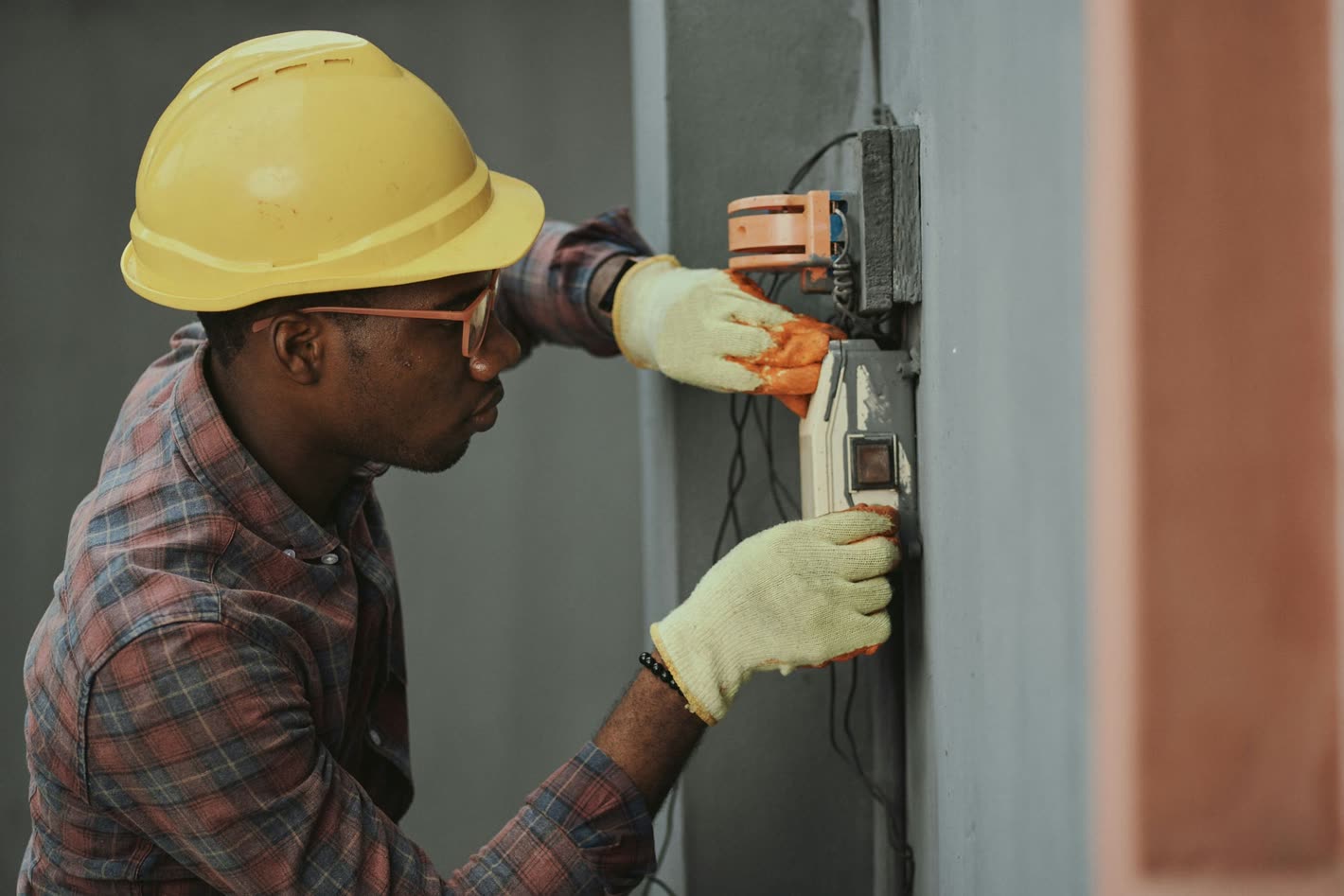
It's 10:47am on a Thursday. An electrician is 35 minutes into a service call in a 1990s subdivision. The "electrical issue" the homeowner described on the phone turns out to be a tripped GFCI in the garage. He resets it. The kitchen outlet works again. He writes a $40 minimum-trip ticket and walks back to the truck.
His phone buzzes on the way out. Across town, a homeowner with a melted breaker and a 1970s panel just called the office. They want a quote on a panel upgrade. That's a $4,200 job. The next opening on his calendar is tomorrow afternoon. By tomorrow afternoon, that homeowner will have called two other shops.
The GFCI customer didn't mean any harm. They just didn't know what they were looking at. But the 35 minutes, plus the drive each way, plus the fuel, plus the lost shot at the panel job, is the kind of cost nobody in the office sees on the schedule.
What a truck roll actually costs
Most electrical shops don't have a real number for this. The fully loaded cost of a truck rolling out the door is bigger than people think.
- Labor. A licensed electrician's burdened hourly cost usually lands in the $65 to $110 range. A 90-minute round trip plus diagnosis is $100 to $165 in labor, before any work gets done.
- Vehicle. Fuel, wear, insurance, depreciation on a $70K service van. Most operators land between $0.85 and $1.25 per mile when they actually run the math.
- Opportunity cost. The one nobody puts a number on, and usually the biggest. Every hour on a low-value call is an hour your tech isn't on a high-value one. If the panel-upgrade lead two miles away goes to a competitor, that GFCI reset didn't earn $40. It missed a few thousand.
Add it up and a single bad truck roll can run a real cost of $200 to $400, before you count what you didn't get to do.
The calls that aren't worth rolling
Not every service call is a bad one. But a meaningful share fall into a few familiar buckets.
The tire-kicker comparing three quotes. They want a number to take to the next guy. You drive out, write a quote, never hear back.
The job that's way bigger than described. "Just need an outlet added in the garage" turns into a 60-amp subpanel run through finished walls. You eat the trip or scramble to reschedule the rest of the day.
The job that can't even be accessed. Panel is behind a finished wall. Renter doesn't have permission. Dog is loose in the yard. You drove out for nothing.
The "just check it real quick" call. A $40 ticket on a $250 minimum, barely worth the time it takes to write the invoice.
None of these customers are trying to waste your time. They just don't have the language to describe what they have. That's the shop's job to draw out before the truck moves.
What pre-qualification actually looks like
The fix isn't a longer phone script. It's a real conversation, in text or on the phone, before anyone picks up keys.
The shops doing this well capture a handful of things every time:
- Panel age and brand. A photo of the cover and the inside, if the customer is comfortable. Federal Pacific or Zinsco changes the conversation. So does a 100-amp service on a 3,500 square foot house.
- Scope, in their words and in yours. What they think they need, plus a few questions that test how big the job actually is. "Is the wall behind the panel finished?" tells you a lot in one answer.
- Access and timing. Who's home, when can you get in, is the panel reachable, are pets contained.
- Expectations on price and timing. A real range, not a number. "A panel swap on a service this size is usually $3,800 to $5,500, and we're booking about a week out." If they flinch, better to find out now than after the truck rolls.
- A photo or two. A picture of the panel, the affected outlet, the meter base. Half the surprises evaporate when you've seen it before you drove out.
When this happens, two things change. The trips you do roll are real jobs. The calls that weren't real jobs got handled on the phone, with a walkthrough, a referral, or an honest "that's a $40 fix you can do yourself, here's how."
The shape of a better day
A pre-qualified day looks different. Fewer trips, bigger tickets per trip, less windshield time, and the panel-upgrade lead across town actually gets caught while it's still warm. Same tech, same truck, same hours, doing meaningfully more revenue because the truck only rolls when there's a job at the end of it.
The shops that figure this out usually don't add a person to do it. They build qualification into how every inbound call and text gets handled, before dispatch ever sees the lead.
The takeaway
A truck rolling out the door isn't free or neutral. It's a real bet, paid in fuel and labor and the calls you can't get to today. The shops that win the panel-upgrade jobs aren't the ones with the most trucks. They're the ones who only roll when the job is real.
That qualification layer, on every call and text, is the part Nephew handles. It captures the details and photos that decide whether a job is worth a truck, and books the ones that are straight into your dispatch.