Landscaping
Why spring is when landscaping companies bleed the most quotes
Spring demand triples but crews stay the same. Here's why quote response times collapse and the homeowners go elsewhere, and what fixes it.
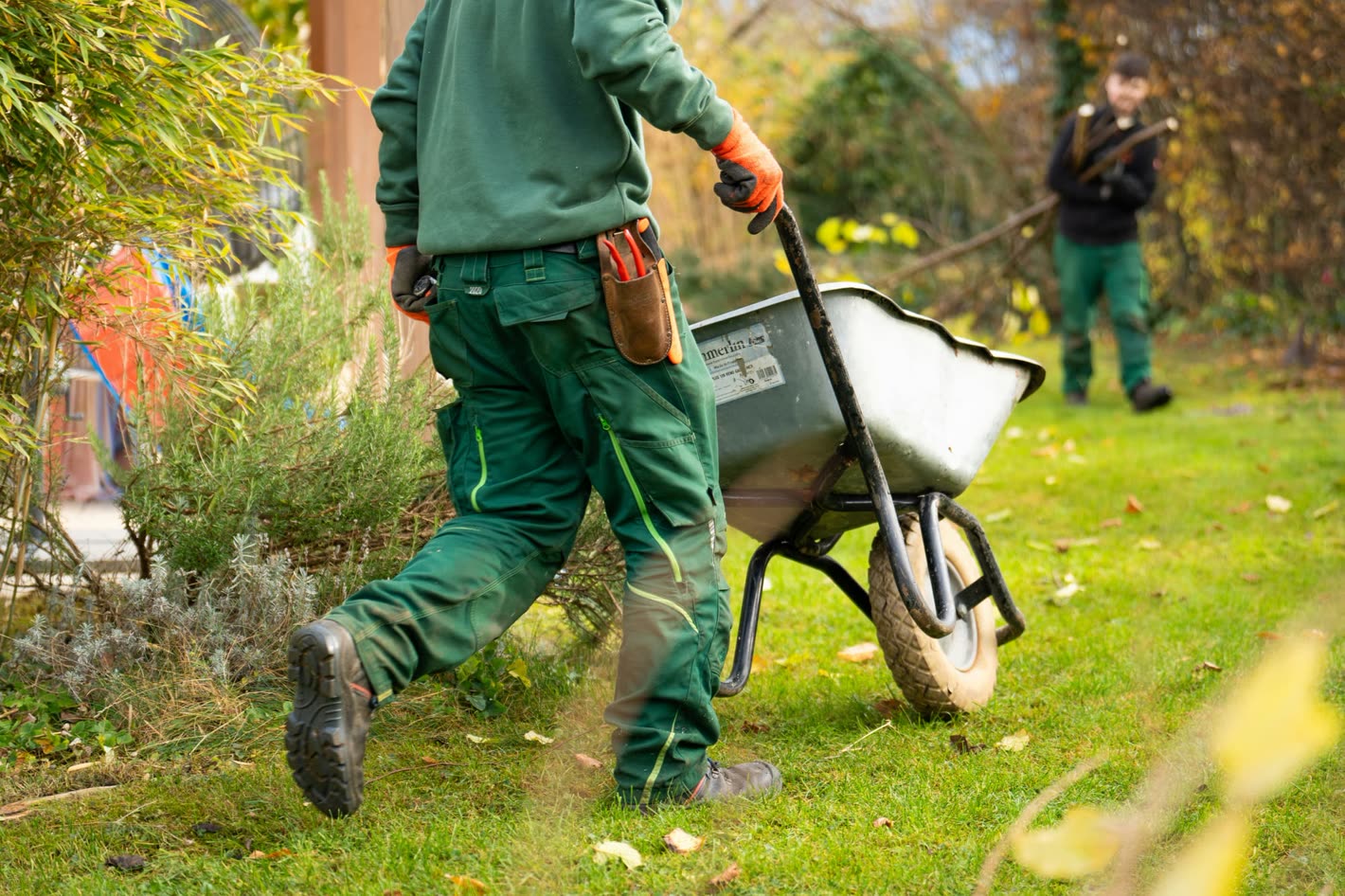
It's 4:12pm on a Thursday in early April. The owner of a six-truck landscaping outfit is parked on the shoulder of a residential street, looking at his phone. Twenty-seven unread voicemails. Half of them are spring cleanup quotes from last week. A few are from this morning. One is from a customer he already quoted on Tuesday, calling to ask if he's still alive.
He's been in the truck since 6am. The crew is two yards behind because a mower blade snapped at the third stop. His office person has been on the phone for nine hours and still hasn't gotten through the morning's inbound.
Somewhere in those twenty-seven messages is probably $40,000 in spring work. He knows it. He just can't get to them tonight.
The shape of the spring rush
Anyone who's run a landscaping company through a few seasons knows the pattern, but it's worth saying out loud:
- Demand spikes 3x to 5x between mid-March and mid-May. Cleanups, mulch, mowing contracts, irrigation startups, all hitting at once.
- Crew capacity stays roughly flat. You can't hire and train a new crew lead in three weeks. The trucks and the people you have in March are mostly the trucks and people you have in May.
- Quote turnaround time stretches from 2 days to 5, 6, 7 days. The owner is the one who walks the property, and the owner is also the one running the trucks.
- Customers who waited 5 days for a callback book the next landscaper that responds. Often that's a smaller, hungrier outfit. Sometimes it's just whoever picks up the phone first.
The cruel part is that the same constraint that makes spring stressful, the limited crew, is the same constraint that's costing you the season's biggest revenue window. You're too busy running the work you already booked to book the work that's calling you right now.
Why the usual fixes don't fix it
Most landscaping owners try one of three things, and none of them really hold up under spring pressure.
Hire a seasonal office person. Helps a little. But a new hire in March can't quote work or make scheduling decisions, and can't answer the question every customer eventually asks: "when can you actually be here?" They take messages. The messages still pile up.
Quote faster, on the phone. Some owners try ballpark numbers without seeing the property. Works for repeat customers. For new ones it backfires. Quote light, eat the difference. Quote heavy, lose the job.
Just push through. The default. Owner answers what he can at night, sends quotes from the couch at 10pm, hopes the customer is still there in the morning. Some are. Many aren't.
What the leak actually looks like
Run the math on your own shop and it tends to be sobering.
A typical residential landscaping quote in spring is somewhere between $400 for a one-time cleanup and $4,000+ for a full seasonal package or install. The average is usually in the $800 to $1,500 range, depending on your market.
If you're getting 40 quote requests a week in peak season and your turnaround has slipped to 5+ days, you're probably converting about a third of them. The other two-thirds, give or take, are going to whoever responded faster. That's 25-ish quotes a week walking out the door.
Even at the low end, that's $20,000 to $30,000 a week in work going to your competition. For 8 to 10 weeks. Spring is when most landscaping companies make their year, and it's also when most of them lose the most work.
What actually closes the gap
The fix isn't more crew. The fix is closing the gap between when the quote request comes in and when the customer hears something useful back.
Three things, in order, do most of the heavy lifting:
- Instant acknowledgment. Within minutes of the call, text, or form submission, the customer hears back. Not a generic auto-reply. A real-feeling response that confirms what they asked for, asks any obvious clarifying question (address, square footage, what services), and tells them what happens next.
- A clear timeline. "We'll be out within 4 days to walk the property and put together your quote." Specific. Honest. Customers will wait 4 days if you tell them it'll be 4 days. They won't wait 4 days if you tell them nothing.
- Automated follow-up. Quote sent, no response in 48 hours? A friendly check-in goes out. Walked the property, didn't hear back? Same thing. Most landscaping CRMs have this feature buried somewhere; almost nobody uses it. The owners who do close 15 to 25 percent more spring quotes than the ones who don't.
None of this requires another field crew. It requires the inbound side of the business to keep moving when the owner is in the truck.
The takeaway
Spring isn't a marketing problem for most landscaping companies. The leads are showing up in volume. The problem is what happens between the call coming in and a real response going back out, when the owner is the bottleneck and the office is overwhelmed.
That window is exactly what Nephew runs. Every quote request acknowledged in seconds, a real timeline given, follow-ups going out automatically until the customer books or actually says no. So you can keep the truck moving and still close the season's work.