Moving
Why every booked move without a deposit is just a maybe
Movers without deposit policies eat 30-40% cancellation rates. Movers with them drop under 10%. Here's the math, and the workflow that holds.
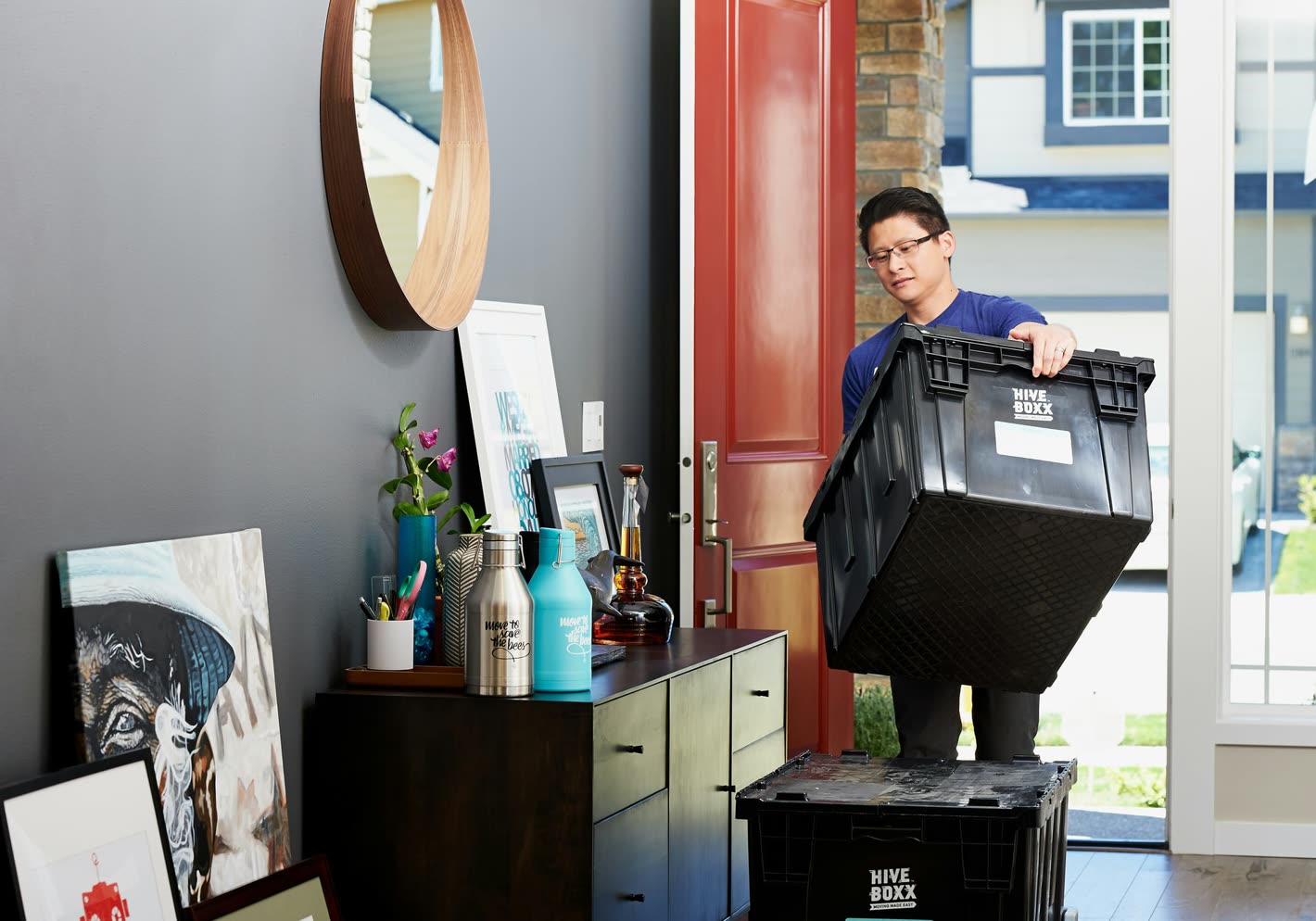
It's 9:04am on a Saturday. The truck is loaded. Two of the crew are already buckled in. The third is finishing his coffee in the parking lot. Then a text comes in.
"Hey so sorry, we ended up going with another company. Please cancel today's move."
No deposit was collected. Nothing to hold them to it. The owner has a crew getting paid, a truck burning fuel, and a Saturday slot that could have gone to one of the three other people who called this week. All of it is now a sunk cost because the customer found a quote fifty bucks cheaper on Thursday and never called back.
This isn't a bad customer. This is the industry. And it's fixable.
The three-quote shopper is the default customer
Almost every person who asks you for a quote is asking two or three other movers for one too. That's not a sign they don't like you. It's just how people shop for moves now. Yelp told them to. Reddit told them to. Their cousin who got burned in 2019 told them to.
So when you give a quote and they say "yes, let's book it," what they actually mean is closer to "you're the leader so far." The booking is real to you. To them, it's a bookmark. They're still open to switching if a better number comes in, or if their plans shift.
Without a deposit, there's nothing on the table. No skin in the game. No reason not to bail.
What no-deposit movers actually eat
The numbers are brutal when nobody's collecting deposits.
- Cancellation rates land between 30 and 40 percent. A third of every "booked" calendar is fake. The owner thinks the month is full. Monday comes and two of the five jobs evaporated over the weekend.
- Same-day cancellations are the worst kind. You can't refill a Saturday slot at 9am. The crew is already on the clock, the truck is fueled, the costs already happened.
- The customers who switch don't tell you why. They don't write a bad review. They just disappear. You assume it's price. Often it's that nothing made the booking feel real.
Companies that collect a deposit at the time of booking, even a small one, see those cancellation numbers drop under 10 percent. Same customers, same market, same quotes. The only difference is whether the customer had to put down $150 to lock the date.
Why a small deposit works
There's a temptation to think bigger is better. Charge 25 percent up front. Make them really commit. That's not what works. What works is small enough that the customer doesn't flinch, and large enough that they'd feel dumb walking away from it.
A range of $100 to $250 hits that spot for most local moves. It's not big enough to be a sales objection. But it's also not so small that they'd shrug it off to save fifty dollars on a competitor quote. The math flips. Switching companies costs them $150, not zero.
The deposit doesn't need to be punitive. Apply it to the final bill. Tell them up front. The point isn't to make money on cancellations, it's to make the booking real.
What needs to be in place to make this work
Collecting a deposit isn't just "ask for a card." If the workflow around it is sloppy, you'll lose bookings you would have closed without it. The pieces that need to be tight:
- Ask for it the moment they say yes. Not a day later. Not "we'll send you a link." The second they confirm the date, you're processing the deposit. If you wait, the three-quote shopper has already moved on to call number four.
- A clear, written cancellation policy. Refundable up to seven days out, partial refund inside that, non-refundable inside 48 hours, or whatever fits your operation. The terms matter less than the customer seeing them before they pay.
- A confirmation that doesn't feel like a receipt. A text that says "you're locked in for Saturday, here's what to expect, here's our number if anything changes." Customers who feel taken care of don't shop after they book.
- A follow-up sequence as the date approaches. A check-in a week out. A reminder two days out. A morning-of text with the crew's ETA. Every touchpoint is another reason the booking feels solid, not abstract.
The deposit is the lock. The follow-up is what keeps the customer from forgetting they're locked in.
What this is actually buying you
It's easy to read all this and think it's about cancellation revenue. It isn't. The deposit itself is small money. What you're buying is a real calendar.
When the crew shows up Monday and the schedule says five jobs, five jobs are happening. You can staff for that. You can buy fuel for that. A 30 percent cancellation rate isn't just lost revenue, it's a planning problem. It's why moving company owners feel like they can never quite trust their own books.
The takeaway
Three-quote shoppers aren't going anywhere. The customer who gets multiple quotes is the customer you have to win, because that's most of them.
You don't win them by being the cheapest. You win them by being the one who made the booking feel real. A deposit at the moment of yes, a clear policy, and a follow-up sequence that confirms the date as it approaches.
That's the workflow Nephew runs for moving companies, end to end.