Pest control
Why pest control techs leave thousands on the truck after every job
One-time customers are worth $200. Recurring customers are worth $1,600 a year. Here's why the conversion almost never happens, and what fixes it.
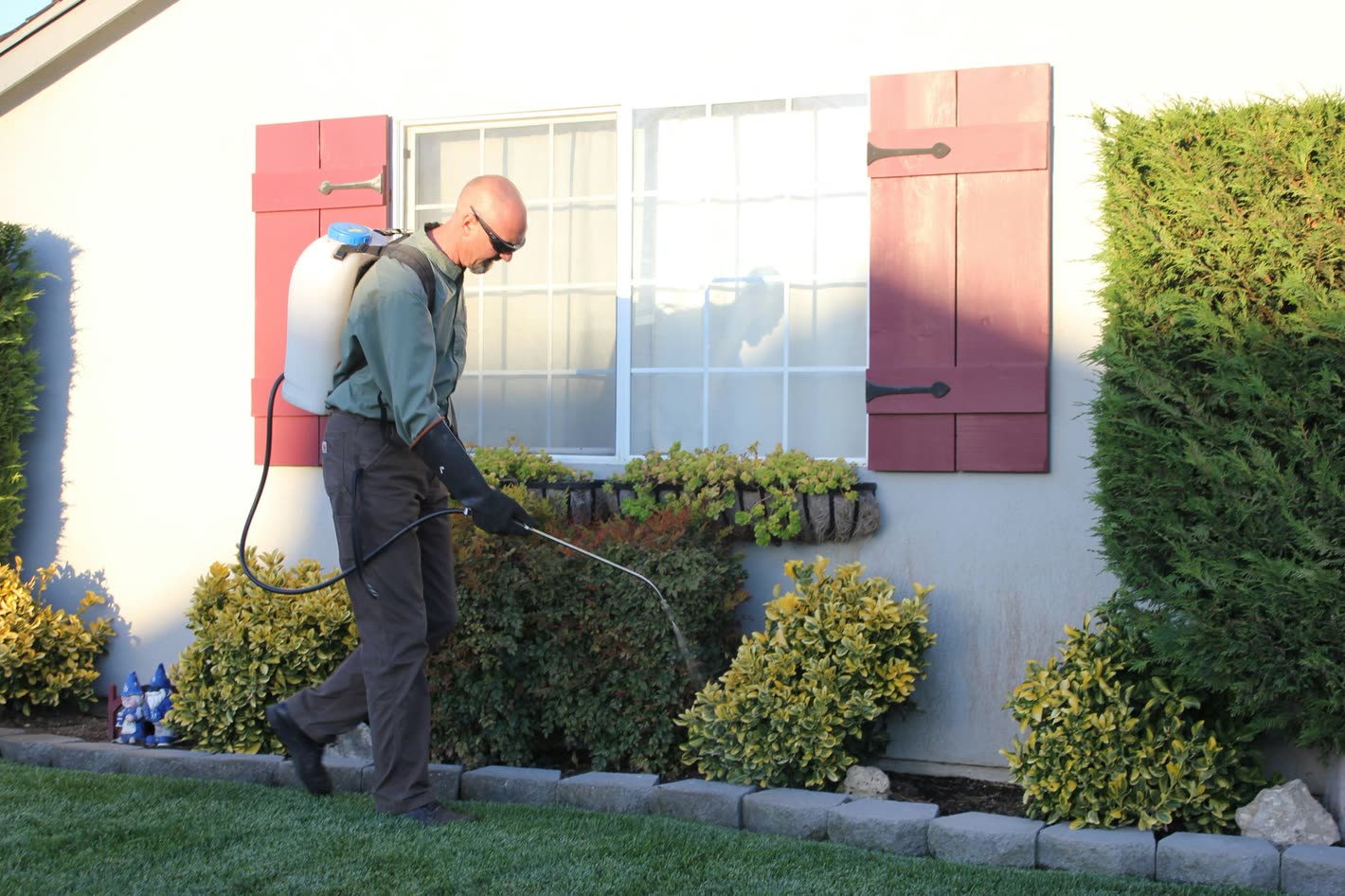
It's a Saturday morning in April. A homeowner in your service area has been watching a line of ants march across her kitchen counter for two weeks. She finally calls. Your tech shows up Monday afternoon, treats the perimeter, knocks down the trail inside, talks her through what she's seeing, and is back in the truck inside forty-five minutes.
Three days later, the ants are gone. She's thrilled. She tells her sister.
Nobody from your company ever calls or texts her again.
Three months later, when the weather warms up and a new colony finds the same crack in the foundation, she's back on Google searching "ant exterminator near me." Maybe she calls you again. Maybe she doesn't. Either way, you just billed her for a second one-time visit when she should have been on a quarterly plan since April.
That gap, between the moment the service ends and the moment she forgets you exist, is where most pest control companies leak more revenue than they realize.
The math is not subtle
A one-time pest treatment is somewhere in the $150 to $400 range. Good revenue for a forty-five minute visit. Easy to feel fine about.
A customer on a quarterly recurring plan is closer to $800 to $1,600 per year, and they don't churn after one season. Most plan customers stay on for somewhere between two and five years. A single converted recurring customer is worth $2,000 to $8,000 over their lifetime, not $250.
The math isn't close. A 30 percent conversion rate from one-time to recurring would change the shape of most pest control businesses. A 50 percent rate would double them. Most shops are converting under 15 percent. Some under 5.
Why the conversion almost never happens
The problem is timing, and it's a brutal one.
The right moment to pitch a recurring plan is the moment the service feels most valuable, which is right after it's been performed and the bugs are visibly, undeniably gone. That window is real but short. A few days. Maybe a week.
The tech, the one person who was actually in the customer's home, who built rapport, who explained the treatment, is the natural person to have that conversation. Except the tech is already loading the sprayer back in the truck and pulling up the next stop on the dispatch board. The conversation gets a thirty-second mention at the door, if that, and then it's over.
The office is supposed to follow up. The office almost never does. Nobody owns it. There's no system trigger. The job closes out in the CRM and the customer falls into the same bucket as everyone else who got a one-time visit, which is to say, no bucket at all.
Some shops try to fix it the wrong ways:
Putting it on the tech. Train the tech to sell the plan at the door. Sometimes works. Mostly doesn't, because the tech is a tech, not a salesperson, and the customer hasn't seen the result yet so the value isn't real to them.
A glossy postcard a month later. By then the ants are a memory. The postcard goes in the recycling.
A cold call from "the office." Feels exactly like what it is. A sales call. People hang up.
The form-letter email. Goes to spam, or just gets ignored.
None of these match the moment the customer is in. They're either too early, too late, or too generic.
What actually works
A personal text message, from the company and not the tech, sent 24 to 48 hours after the service. That's the window.
It works because it lands when the result is fresh. The ants are gone, the customer is grateful, and a text from the company feels like a human noticing them, not a marketing blast.
What goes in the text matters:
- Reference the specific service. "Hey Sarah, this is Nephew from Smith Pest. Wanted to check in after Monday's ant treatment. How are things looking on the kitchen counter?"
- Pause for the answer. Two-way, not a blast. "All clear, thank you" is the opening. "Still seeing a few" is a different conversation, and a chance to fix it before she sours.
- Name the value of the plan in her terms. Not "our quarterly maintenance program." Something like: "If you'd like, we can keep this from coming back. We treat four times a year with the seasons, and you get free re-treats anytime you see something between visits."
- Make signup one tap. A link, or a reply with "yes." Not a callback, not a form.
That's it. The conversation nobody on the truck has time for, run by someone whose only job is to show up at the right moment.
The takeaway
The recurring plan is the single biggest revenue lever in a pest control business. Not better ads. Not more techs. The customer you already won, kept.
The reason most shops don't pull that lever isn't lack of will. It's that the conversation has to happen at a specific moment, on a specific channel, in a personal voice, and there's nobody on staff whose job is exactly that.
That's the part Nephew runs. Every one-time job gets a real follow-up at the right window, in the company's voice, with a one-tap path onto the plan. The conversion goes from accident to system.